
We linger in northern Estonia and drive over to Valaste Waterfall. It is the highest waterfall in Estonia and is situated right by the sea.
It's about 30 metres. In winter, it can freeze completely solid and is said to be very beautiful and spectacular to look at.
We can't stay and wait for that long, though.

We have read that there is a ghost town. Hopefully not in the literal sense.


Viivikonna is an abandoned oil shale mining town that in its heyday was home to several thousand inhabitants.
There was everything there, school, hospital, administrative buildings and houses. When the mine was closed down, people took everything of value from the houses and used it to forge a new life elsewhere. The town was quite simply stripped and abandoned.

Today the remains consist of a lot of empty ruins.
Back in the abandoned town are about 50 inhabitants with an extremely minimal economy.
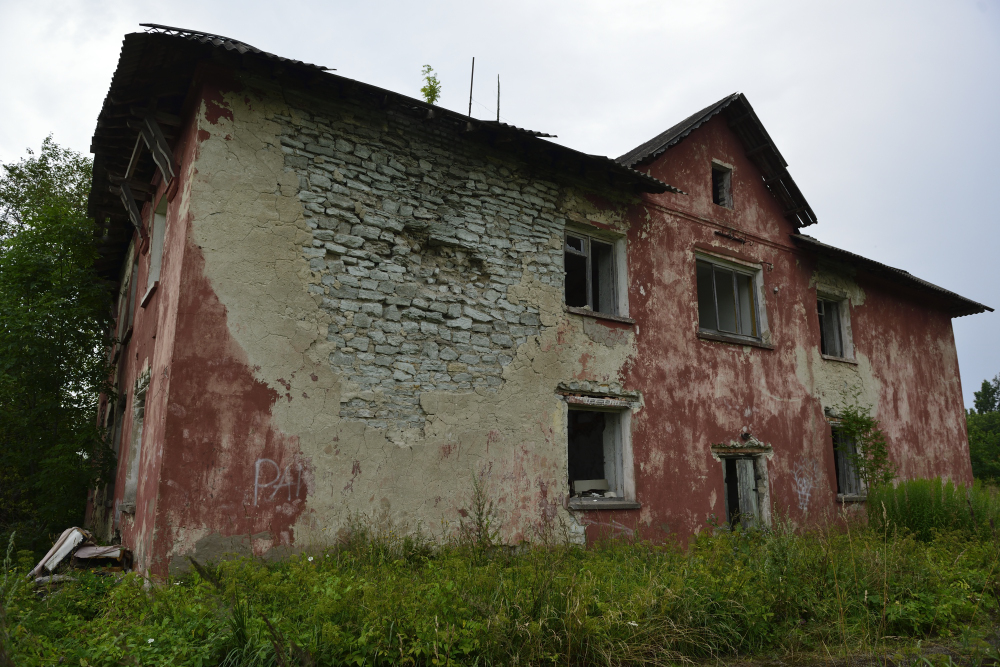
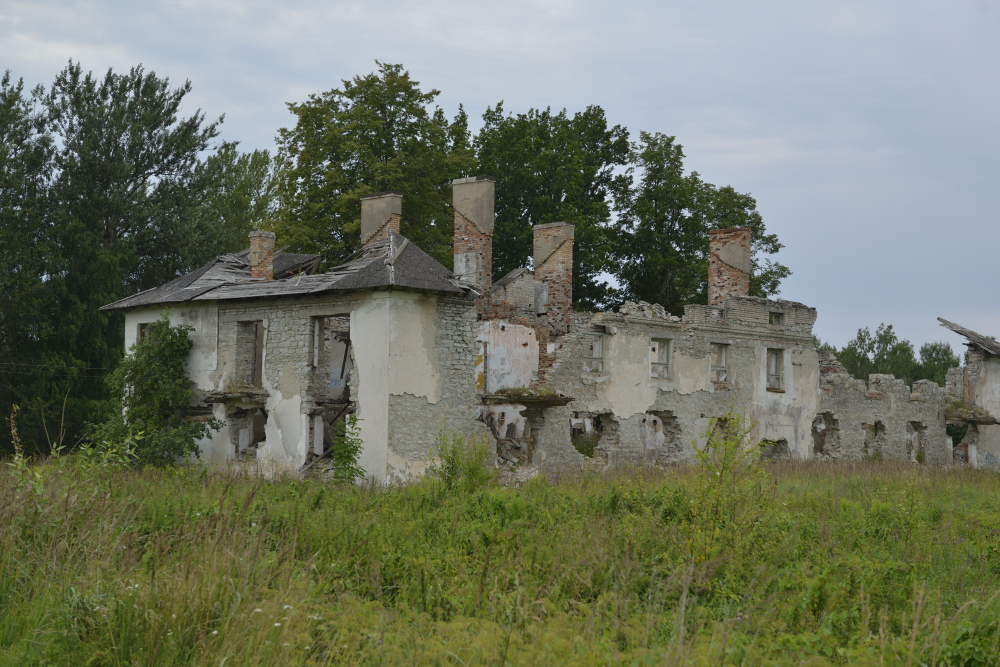
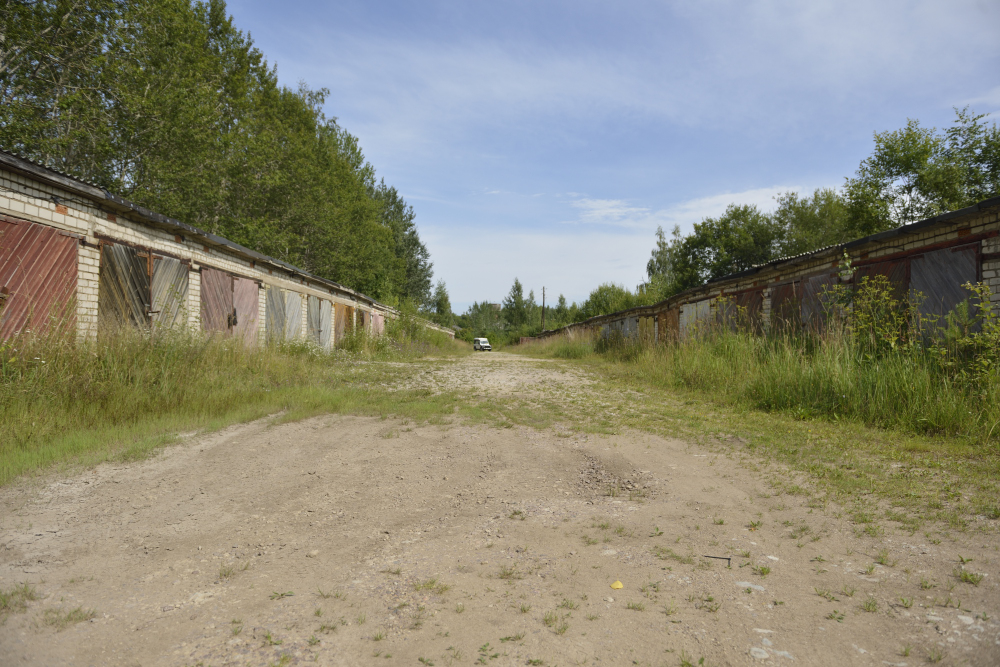
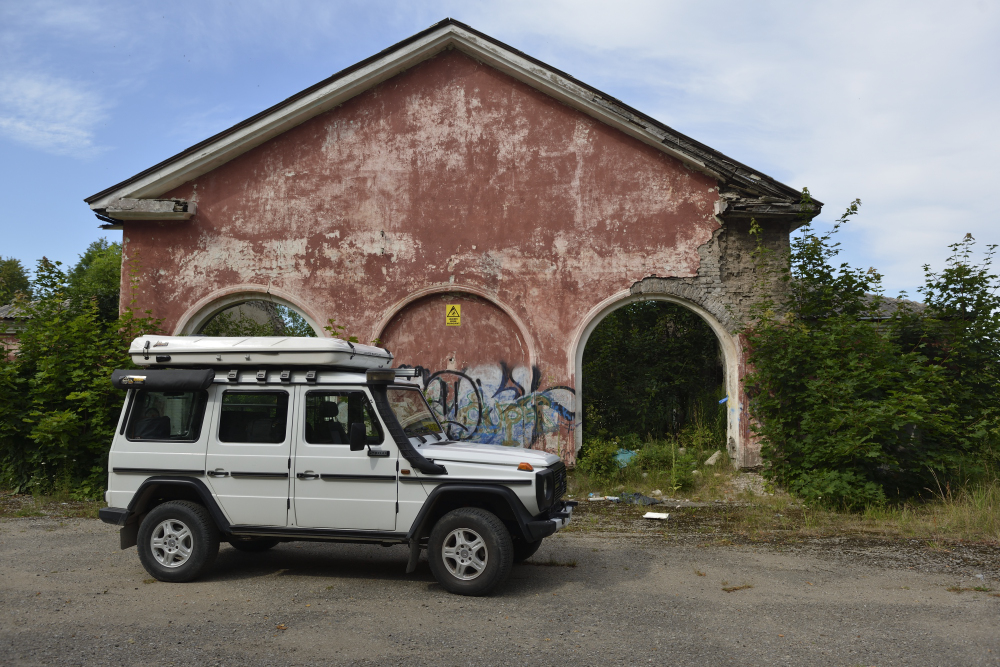
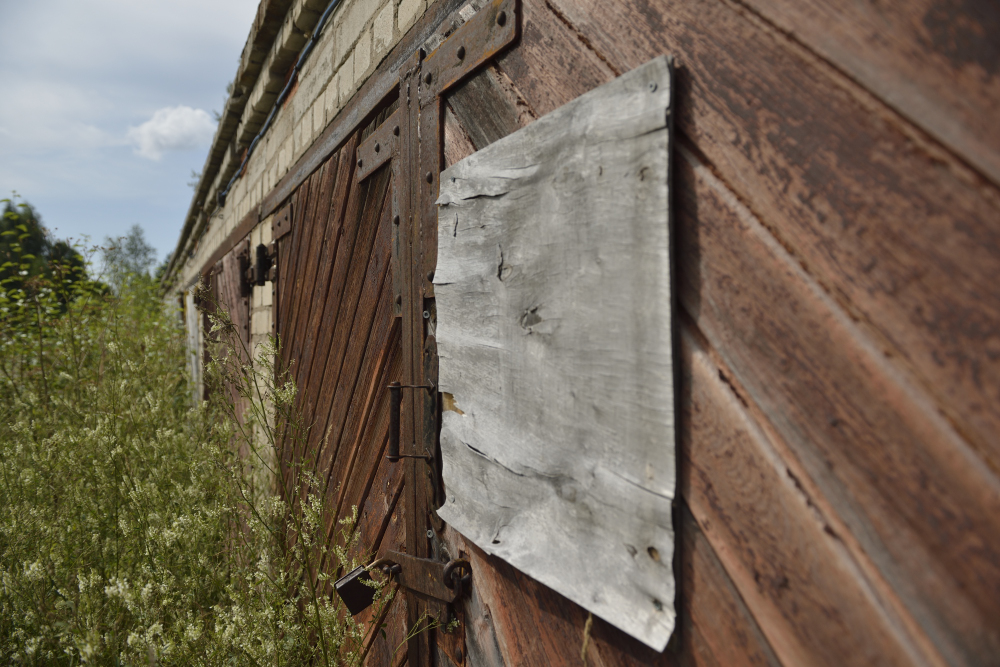
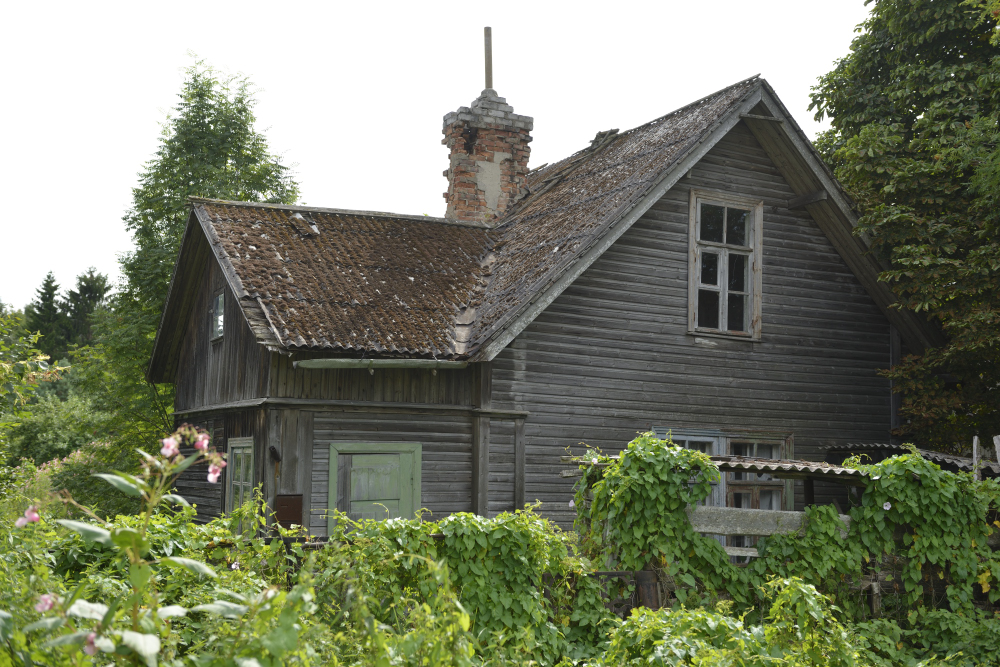
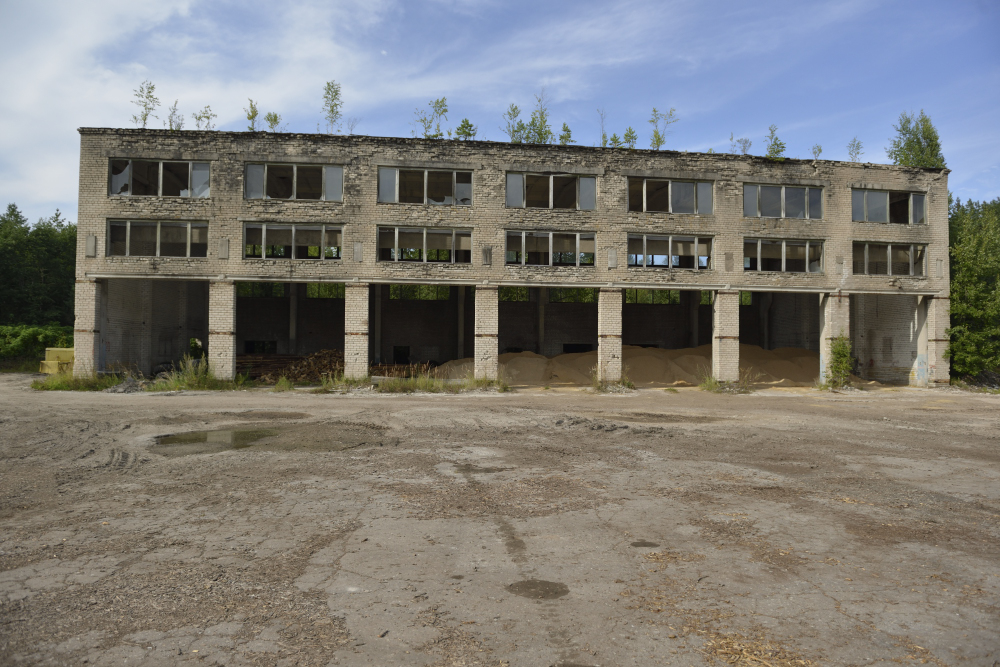
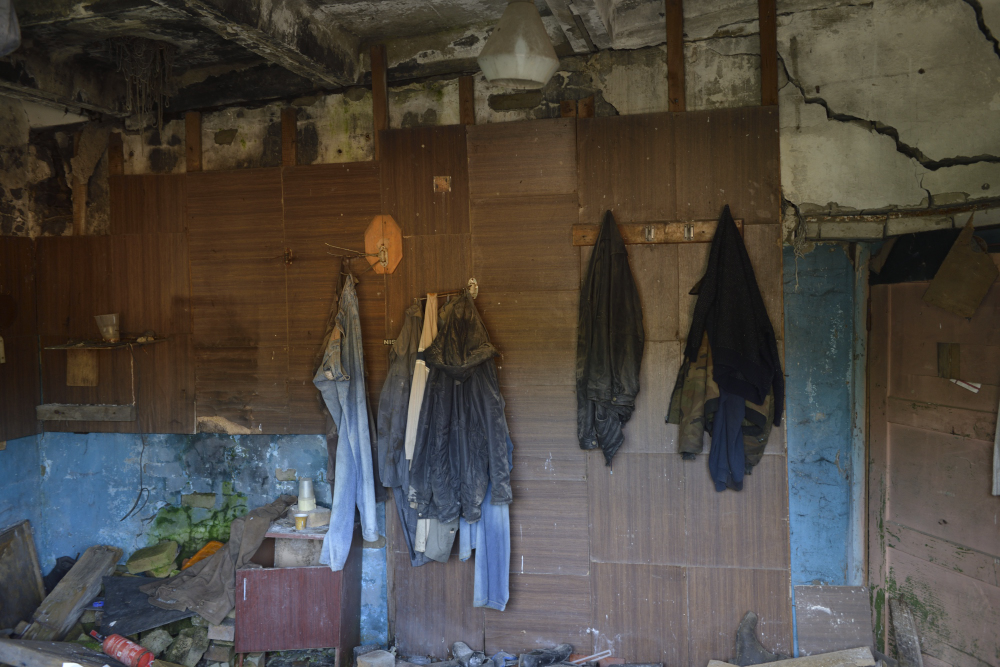
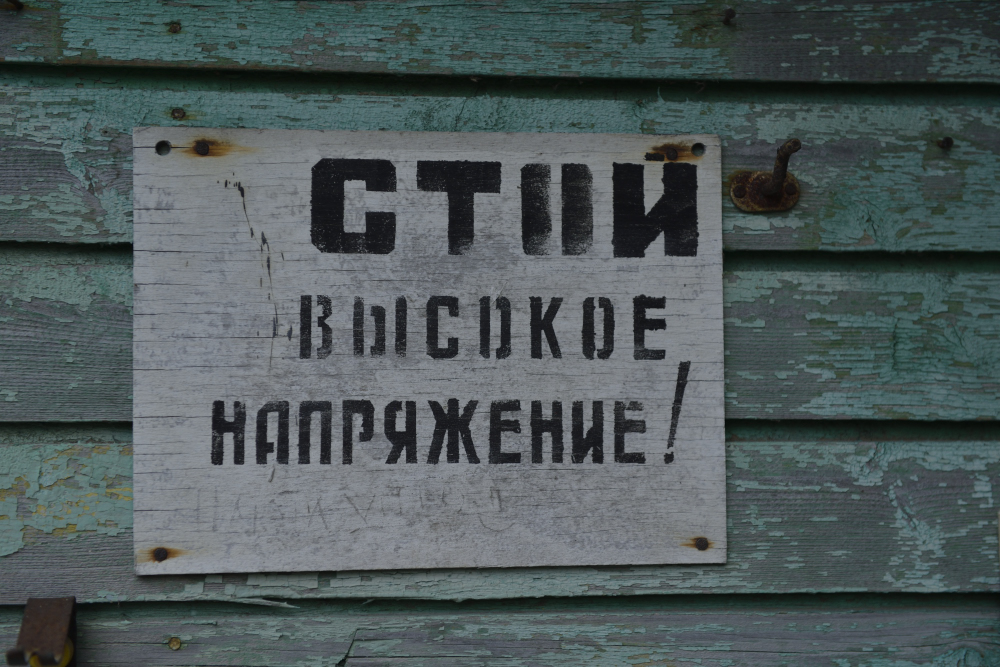
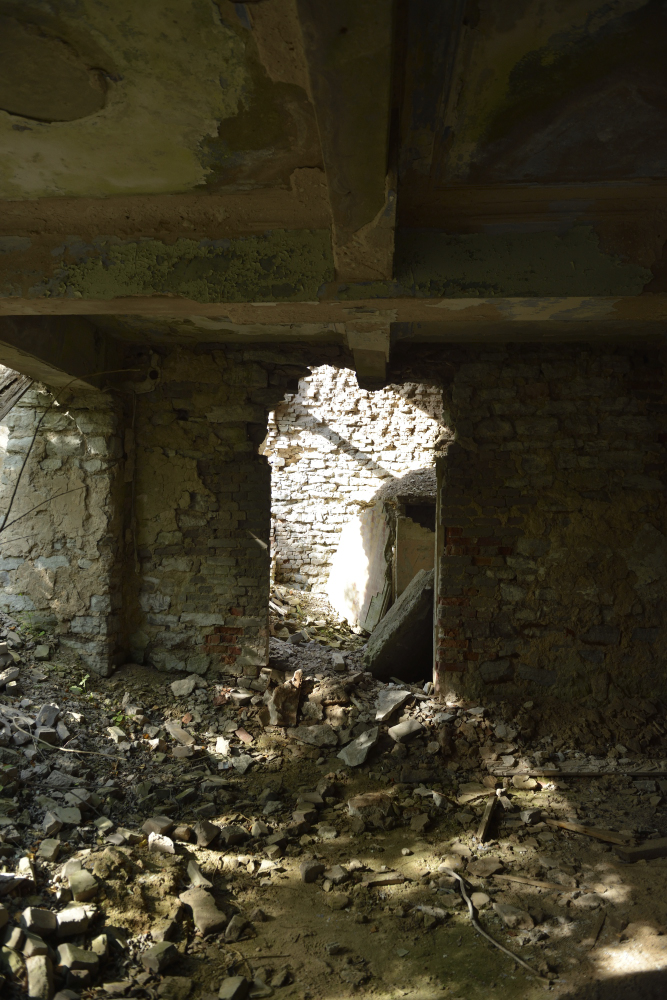
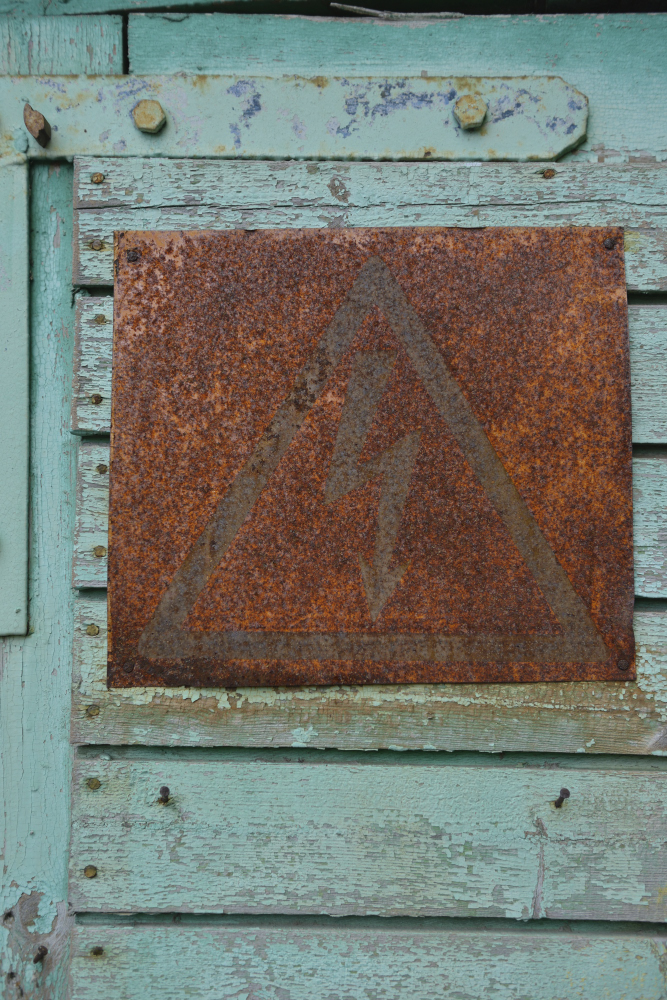
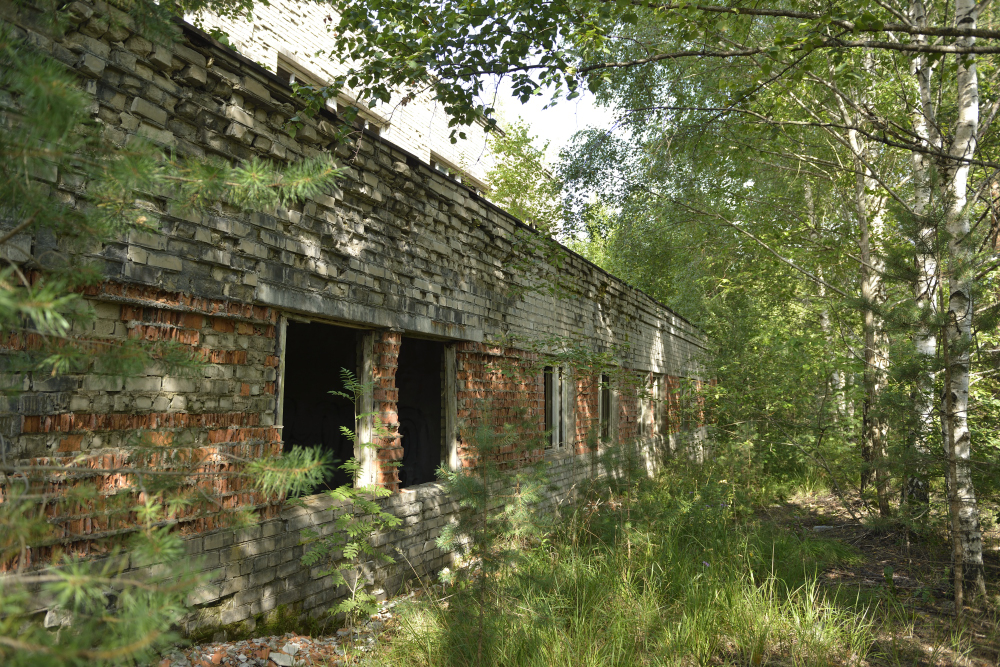
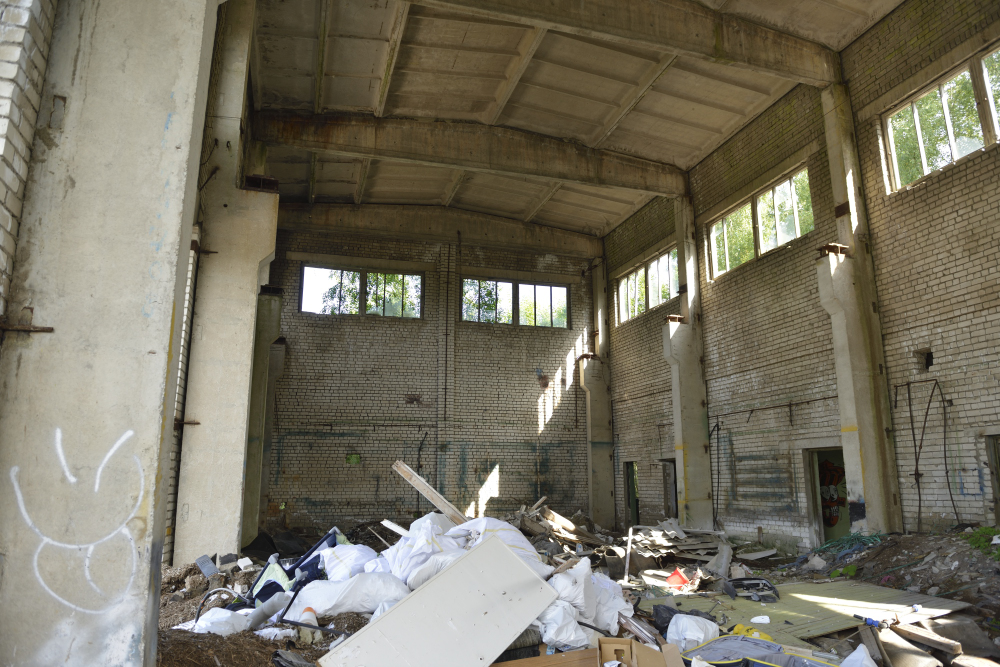


Gradually, ruins are being demolished and new residential areas will eventually be built.
We are walking around the town. It is not every day that you come across an abandoned town. It is quite special. We don't meet any ghosts and thank goodness for that. It is completely impossible to be scared white. It is so muggy and hot that we are roasting and have red cheeks.
Now that we're on the subject of abandoned buildings and pirate stories, we're also heading over to a Cold War submarine base.

Here, naval vessels and submarines were prepared for service in enemy waters. Compasses and other navigation equipment were calibrated, heat emissions were minimised and concealed, and any radioactive emissions were minimised. Finally, the hulls were demagnetised using a large underwater installation in the bay. This made them more difficult to detect and reduced the risk of triggering any older magnetic mines on the seabed. It’s fascinating to walk through the old ruins and look at the pictures on display; it really sets the imagination racing as you picture what it must have been like back then.


The location was very well chosen; there was virtually no chance that either foreigners or locals could, by chance, wander too close and see sensitive details of how the ships were being prepared. It would have taken great determination and exceptional powers of persuasion to walk so many kilometres through the forest. At the same time, one would have to explain credibly to numerous patrols that one had always had a lifelong dream of seeing the Baltic Sea, which just so happened to be quite close to Mother Russia.


As our final stop in Estonia, we head for Tallinn to discover the very cradle of Danish national identity. During King Valdemar the Victorious’s crusade, the Dannebrog descended from the heavens on 15 June 1219, to the day.


Ever since then, we have had the red flag with a gleaming white cross. This is the very essence of our pride and the world’s oldest national flag.


As we stood there by the flagpole, we realised that there were several of us Danes who had made our way there specifically.


 English (UK)
 Dansk
 Deutsch